

Post Life
Beijing Media Art Biennale (BMAB)
September 05-24, 2018
CAFA Art Museum
Participating Artists (in alphabetical order):
Adam Haar Horowitz, Amy Karle, Boryana Rossa, Brad Miller, David Bowen, Dmitry Morozov, Elena Knox, Emil and Emma, Guy Ben-Ary, Helen Pynor, Kynan Tan, Liu Xin, Louis-Philippe Demers & Bill Von, Mari Velonaki, Michaela Davies & Boris Bagattini, Nancy Mauro, Oron Catts & Ionat Zurr, Thomas William Smith, Tobias Gremmler, Wade Marynowsky, and many others.
Beijing Media Art Biennale (BMAB)
September 05-24, 2018
CAFA Art Museum
Participating Artists (in alphabetical order):
Adam Haar Horowitz, Amy Karle, Boryana Rossa, Brad Miller, David Bowen, Dmitry Morozov, Elena Knox, Emil and Emma, Guy Ben-Ary, Helen Pynor, Kynan Tan, Liu Xin, Louis-Philippe Demers & Bill Von, Mari Velonaki, Michaela Davies & Boris Bagattini, Nancy Mauro, Oron Catts & Ionat Zurr, Thomas William Smith, Tobias Gremmler, Wade Marynowsky, and many others.
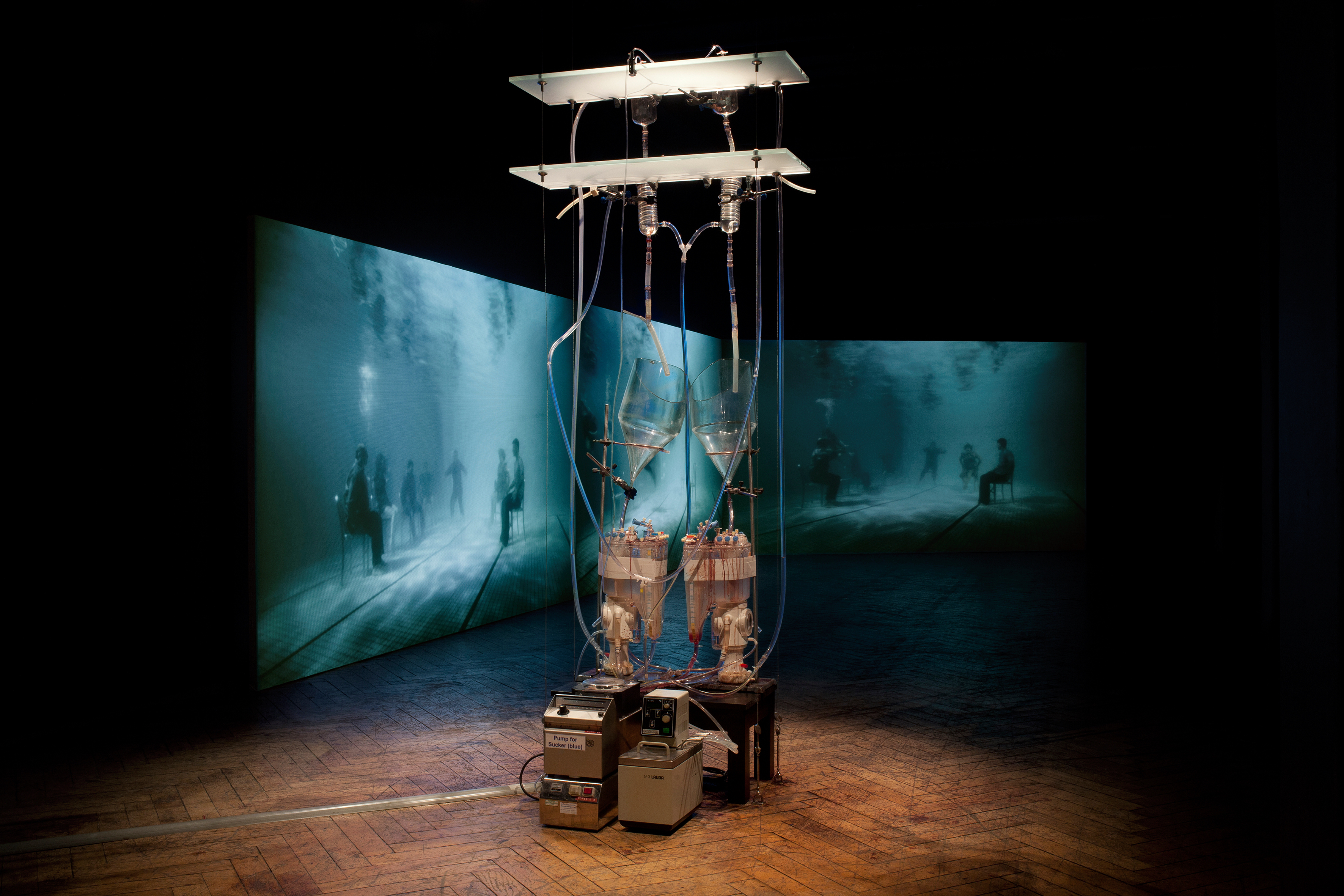
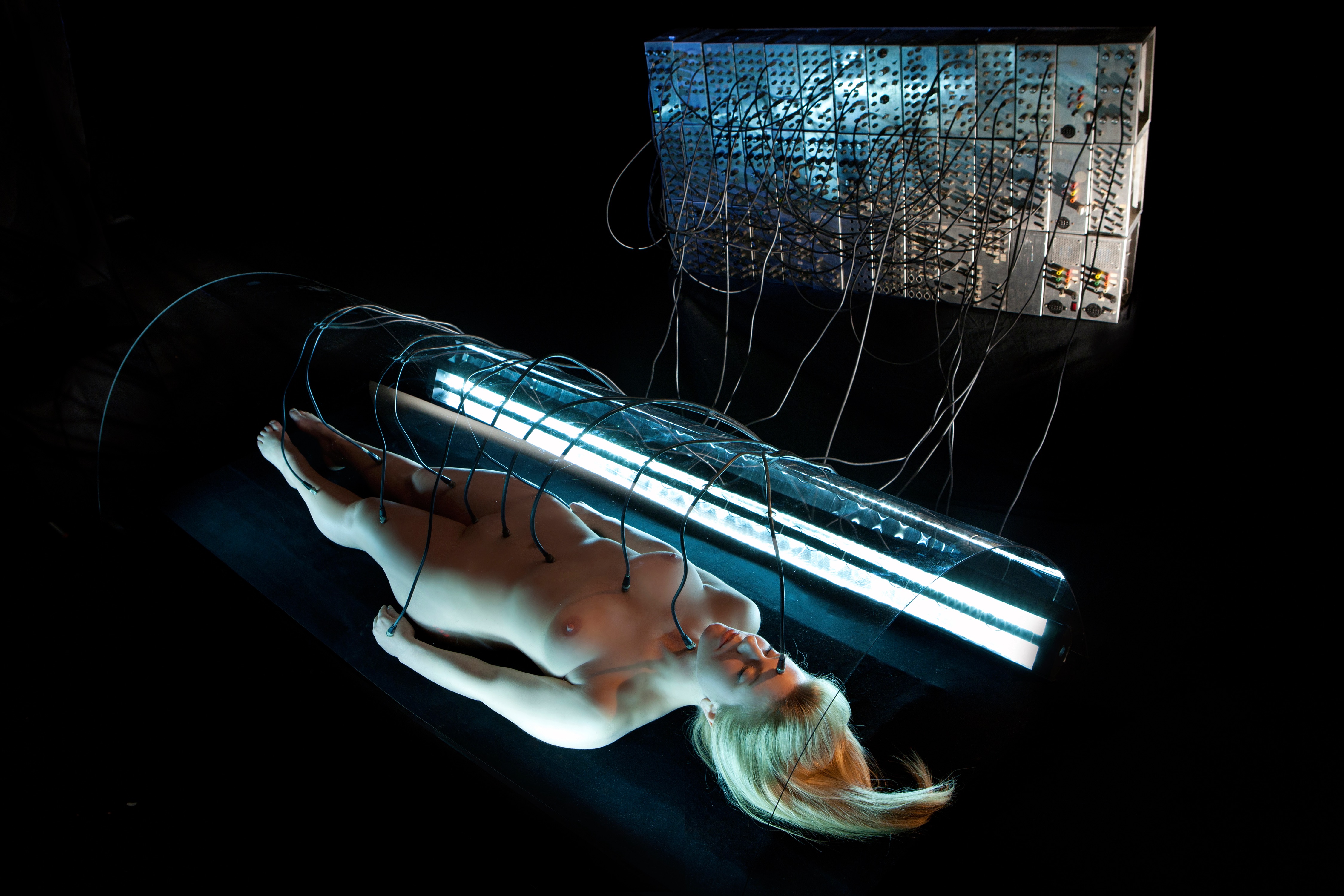
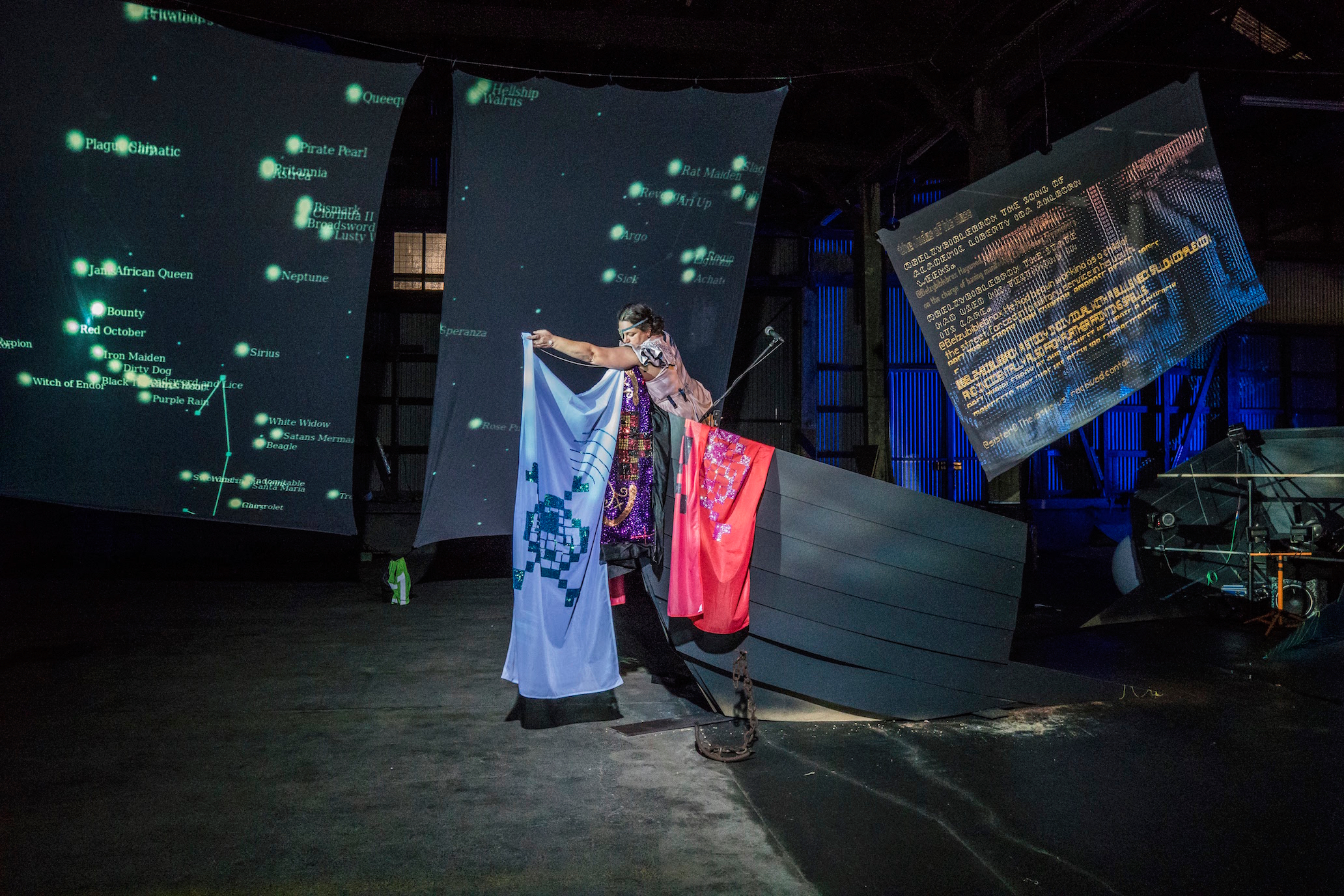
What becomes of “life” when it can be coded, machined, or synthesized? The second edition of the Beijing Media Art Biennale (BMAB) opens at CAFA Art Museum, running through September 05-24, 2018. Titled Post Life, the exhibition examines how emerging technologies—from artificial intelligence to biotechnology—are reshaping the very definition of life. Moving beyond anthropocentric frameworks, the Biennale presents over thirty international artists and research laboratories whose works engage with three interconnected territories: Data Life, Machine Life, and Synthetic Life.
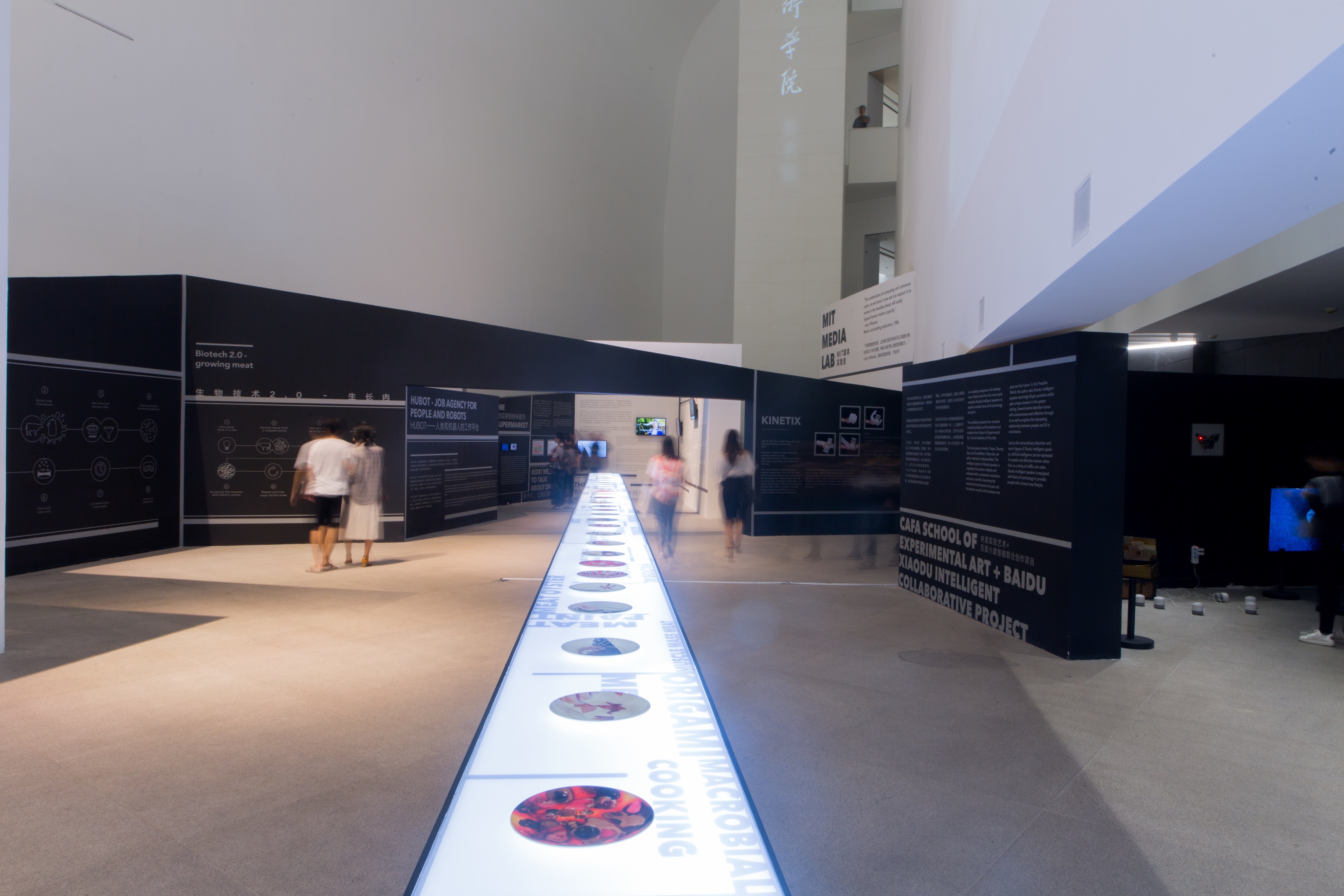
These categories do not function as rigid taxonomies but as speculative zones where the biological, the computational, and the mechanical intersect. The exhibition spans interactive installations, bio-art, robotic performance, and networked media, creating an immersive membrane-like spatial structure that invites visitors to move between different states of “living”.
Data Life
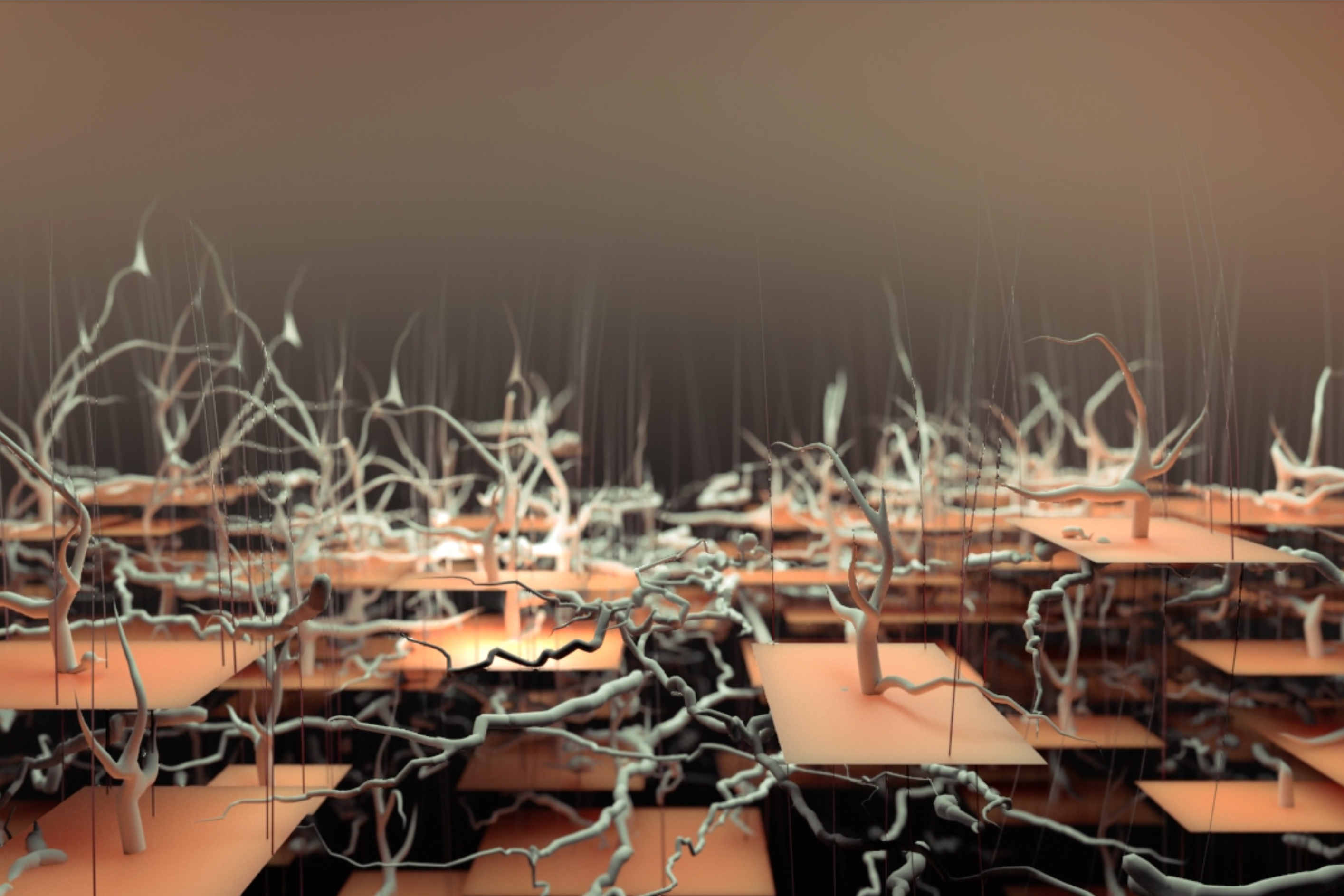
Data Life addresses forms of existence that emerge from information flows, algorithms, surveillance, and digital traces. Here, “living” is understood as patterns of data that sense, store, react, and persist—often invisibly, yet with material consequences. Works in this section interrogate the hidden infrastructures of the networked age: how personal data is captured, commodified, and archived; how algorithmic systems generate new behaviors; and how digital shadows follow physical bodies. The section also considers the fragility of data—its simultaneous permanence and evanescence—and the rise of predictive or oracular systems that claim to know us better than we know ourselves. Data Life asks: when our digital doubles outlive us, who owns the ghost?
Machine Life
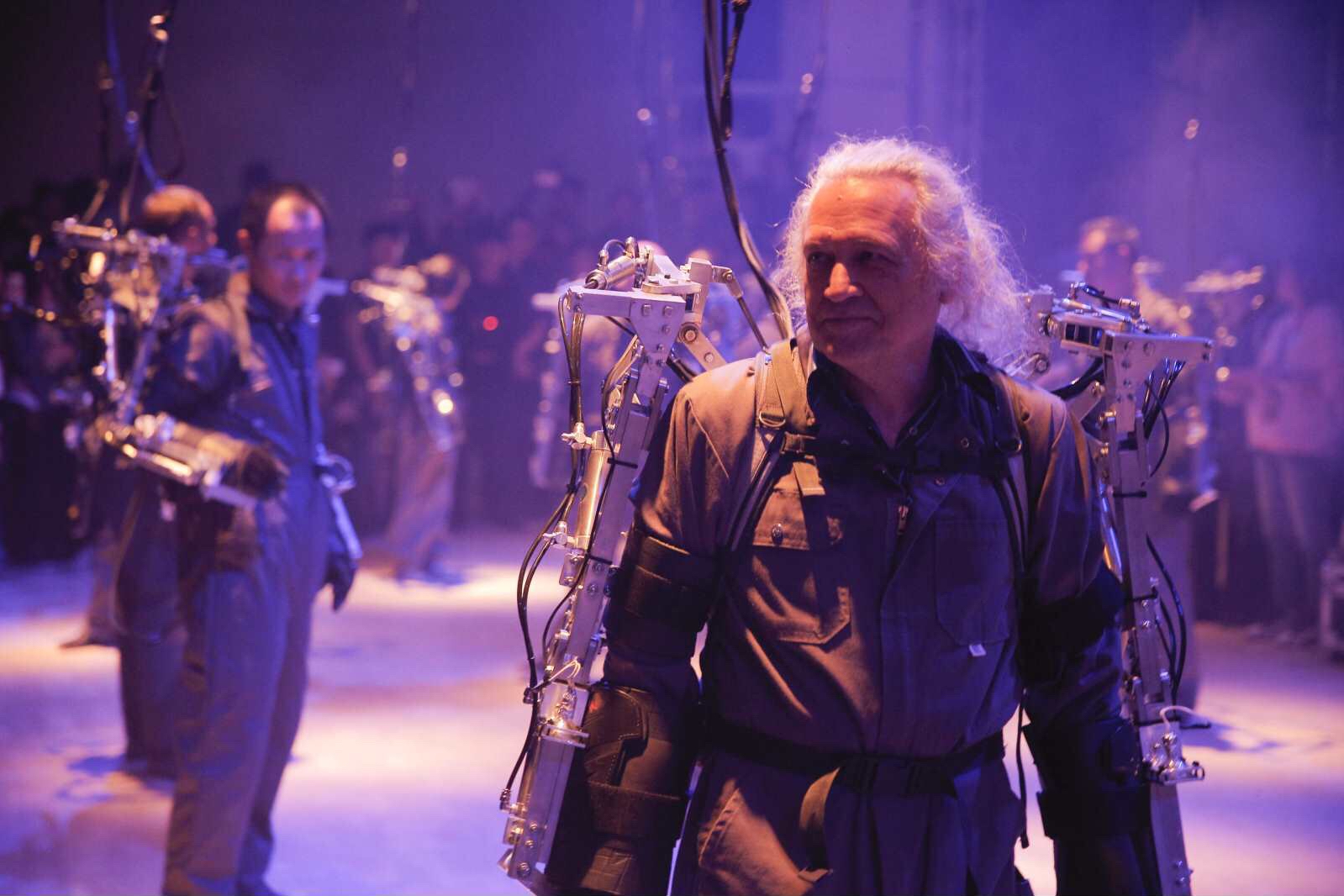
Machine Life focuses on autonomous systems, robotic bodies, and mechanical gestures that mimic, extend, or subvert organic behavior. From industrial arms repurposed as performers to autonomous drawing machines and interactive robotic agents, these works challenge the assumption that aliveness requires a biological substrate. The section explores machine agency, cooperation, and even improvisation—proposing that movement, responsiveness, and decision-making can emerge from circuits and servos. Yet Machine Life is not a celebration of efficiency. It also reveals the uncanny, the obsessive, and the alien within the mechanical. Here, the machine becomes a mirror: reflecting our own labor, desire, and vulnerability.
Synthetic Life
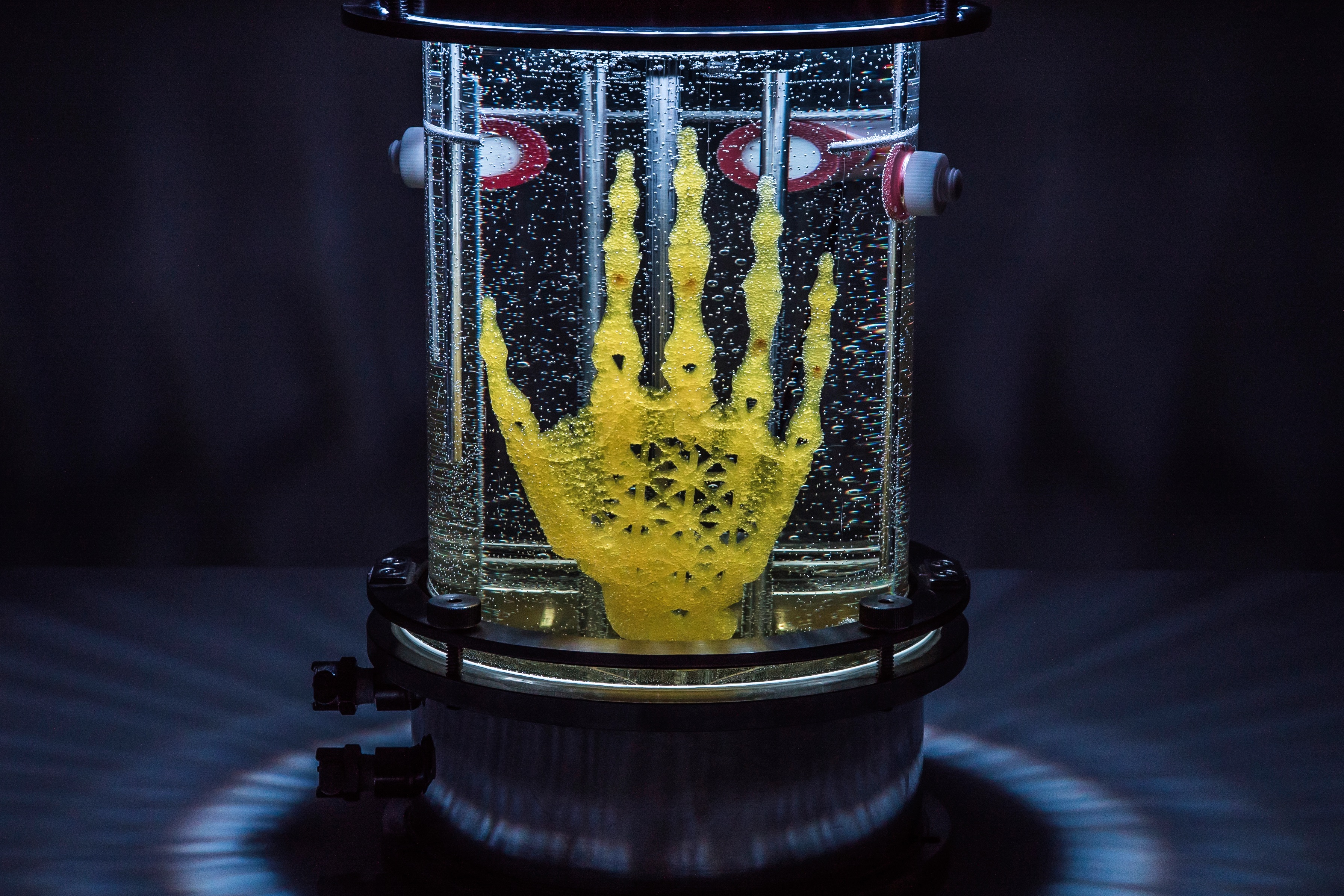
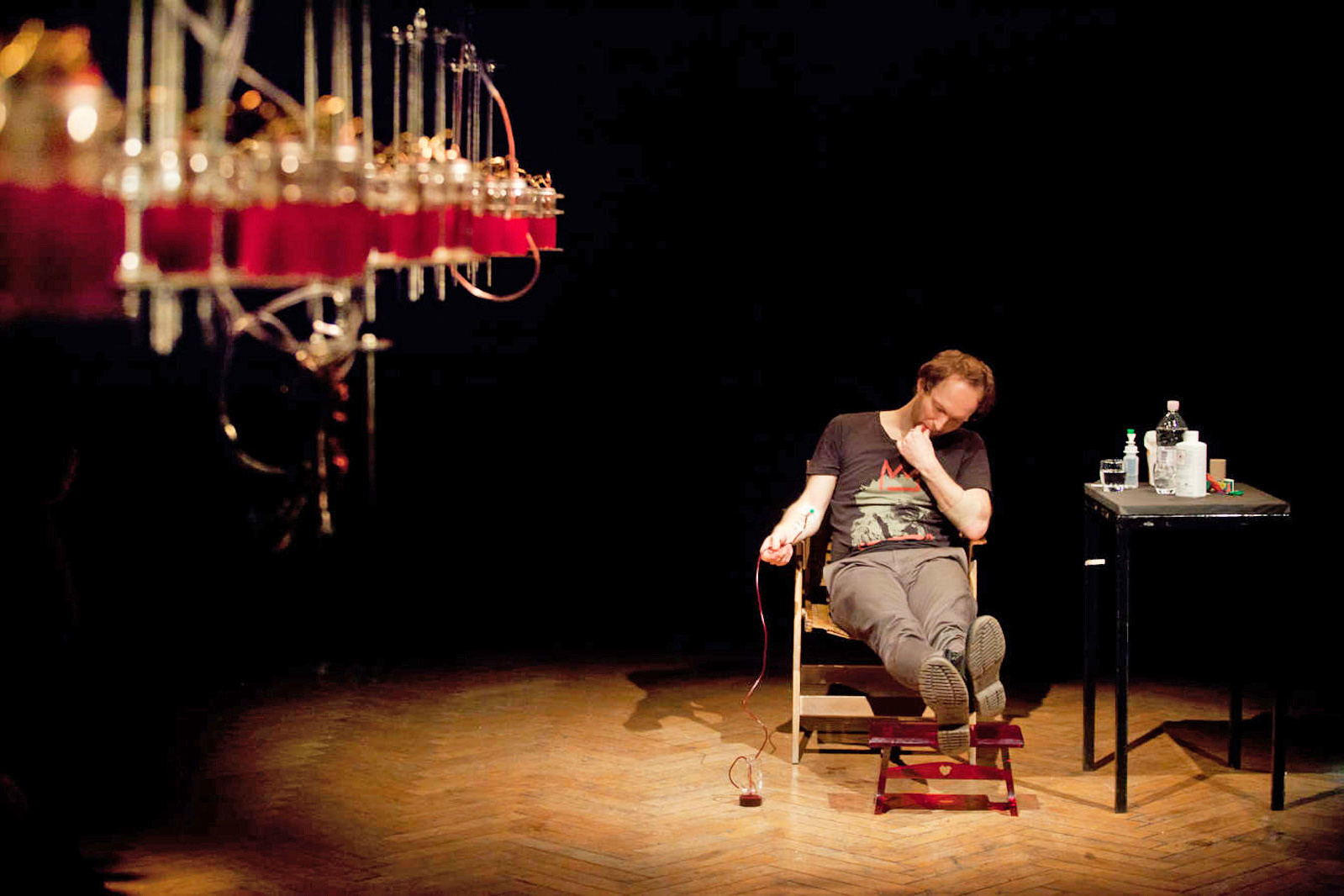
Synthetic Life occupies the most ambiguous and ethically charged territory: organisms engineered, cultured, or hybridized in laboratories—life that is neither fully natural nor entirely artificial. This section includes tissue-engineered sculptures, plant-machine interfaces, and metabolic systems where algae, bacteria, or living cells become co-actors. Synthetic Life examines the biopolitics of creation: What does it mean to design a living entity? Do we owe care to the semi-living? Can plant behavior be considered a form of intelligence? These works blur the boundaries between object and organism, art and biology, collector and caretaker. They ask not only what life is, but what life should be—and who gets to decide.
These categories do not function as rigid taxonomies but as speculative zones where the biological, the computational, and the mechanical intersect. The exhibition spans interactive installations, bio-art, robotic performance, and networked media, creating an immersive membrane-like spatial structure that invites visitors to move between different states of “living”.
Data Life
Data Life addresses forms of existence that emerge from information flows, algorithms, surveillance, and digital traces. Here, “living” is understood as patterns of data that sense, store, react, and persist—often invisibly, yet with material consequences. Works in this section interrogate the hidden infrastructures of the networked age: how personal data is captured, commodified, and archived; how algorithmic systems generate new behaviors; and how digital shadows follow physical bodies. The section also considers the fragility of data—its simultaneous permanence and evanescence—and the rise of predictive or oracular systems that claim to know us better than we know ourselves. Data Life asks: when our digital doubles outlive us, who owns the ghost?
Machine Life
Machine Life focuses on autonomous systems, robotic bodies, and mechanical gestures that mimic, extend, or subvert organic behavior. From industrial arms repurposed as performers to autonomous drawing machines and interactive robotic agents, these works challenge the assumption that aliveness requires a biological substrate. The section explores machine agency, cooperation, and even improvisation—proposing that movement, responsiveness, and decision-making can emerge from circuits and servos. Yet Machine Life is not a celebration of efficiency. It also reveals the uncanny, the obsessive, and the alien within the mechanical. Here, the machine becomes a mirror: reflecting our own labor, desire, and vulnerability.
Synthetic Life
Synthetic Life occupies the most ambiguous and ethically charged territory: organisms engineered, cultured, or hybridized in laboratories—life that is neither fully natural nor entirely artificial. This section includes tissue-engineered sculptures, plant-machine interfaces, and metabolic systems where algae, bacteria, or living cells become co-actors. Synthetic Life examines the biopolitics of creation: What does it mean to design a living entity? Do we owe care to the semi-living? Can plant behavior be considered a form of intelligence? These works blur the boundaries between object and organism, art and biology, collector and caretaker. They ask not only what life is, but what life should be—and who gets to decide.